If you are taking care of a parent who repeats the very same inquiries, misplaces medicines, or wanders outside in the evening, you are not alone. Families usually extend themselves thin trying to maintain an enjoyed one risk-free and sensible at home while mental deterioration quietly transforms the rules. Choosing memory care is not an indication of failing. It is a choice to line up assistance with reality. The hard part is identifying when that time has come, and exactly how to review options without shedding on your own to stress.
I have sat with sons that bring thorough spread sheets to family members meetings and little girls that show up with a plastic bag of pill containers since that is the most effective they can handle after work. I have seen moms and dads rally after an autumn, and I have actually enjoyed others decrease carefully however progressively in spite of a terrific home regimen. Memory care can feel like a leap. It is usually a collection of steps.
What memory care truly offers
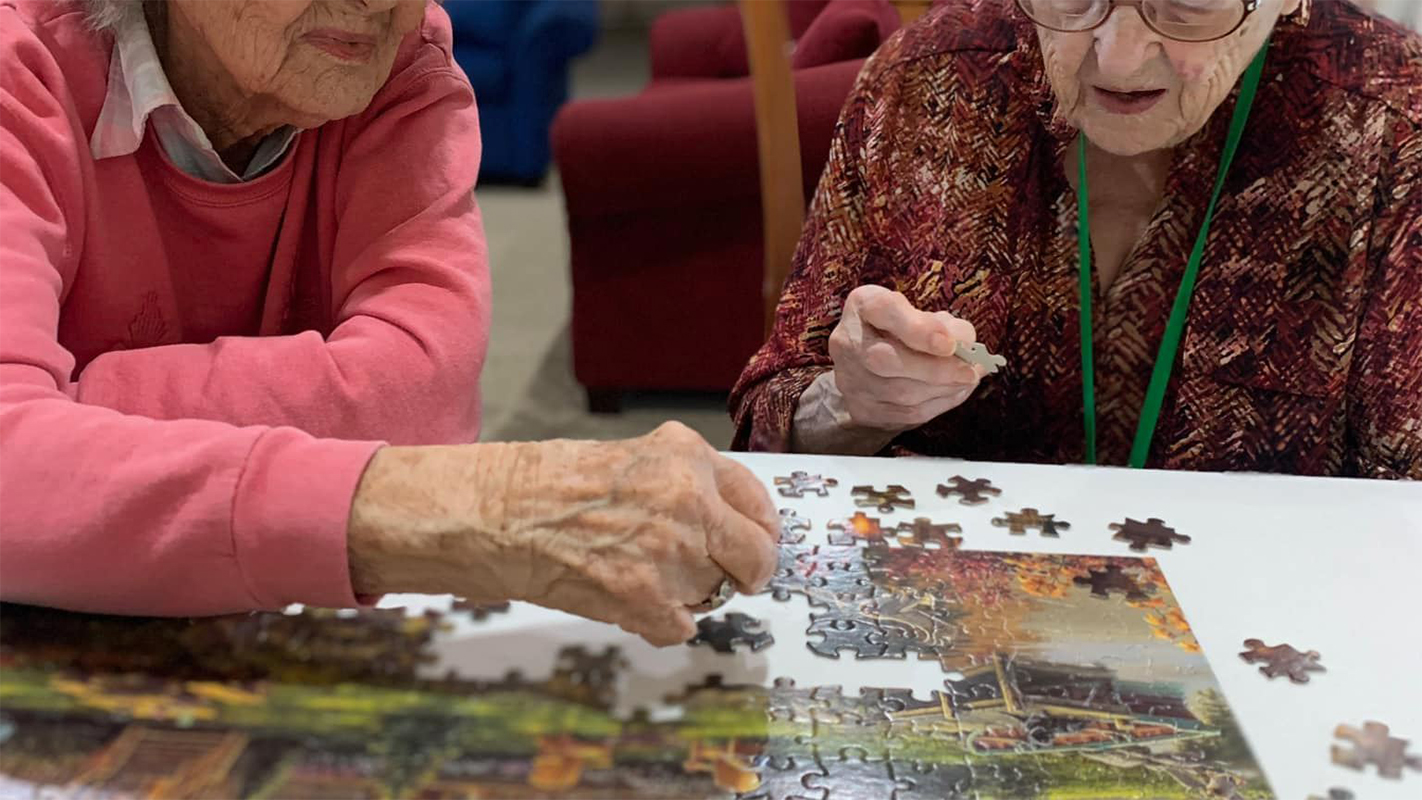
Memory care is a specialized type of elderly care developed for people coping with Alzheimer's illness or various other kinds of mental deterioration. Unlike conventional Assisted Living, which focuses on help with tasks of everyday living like showering, dressing, and dish support, memory treatment adds a structured atmosphere, staff learnt mental deterioration habits, and security attributes that lower threat without over-restricting movement.
Good areas arrange the day around foreseeable rhythms. That predictability decreases stress and anxiety. Doors are secured, however common locations really feel open and welcoming. Lights is warmer, hallways have aesthetic cues, and kitchen areas are checked yet available for straightforward, sustained tasks. A personnel may redirect a homeowner who comes to be focused on "reaching function" by welcoming them to fold up towels. That is not busywork. It is a restorative treatment that maintains objective and calms the worried system.
You will certainly likewise discover medical oversight that responds to the nuances of mental deterioration. Drug times are gotten used to habits, not simply clocks. Infections, a common trigger for unexpected confusion, are identified previously. Assistants learn each person's history so they can connect with what still triggers happiness. None of this eliminates the condition, however it can transform day-to-day life.

The fork in the roadway: indicators that home assistance is no more enough
Most families begin with home assistance, modern technology, and careful routines. The oblique point tends to arrive gradually, then simultaneously. It usually includes security, caretaker exhaustion, or health intricacy that surpasses what can be accurately taken care of at home.
- Frequent security risks in spite of adaptations: duplicated roaming, leaving the stove on, opening up doors to strangers, or forgetting to utilize a pedestrian after reminders. Caregiver exhaustion that does not respond to added assistance: persistent sleep loss since your moms and dad is up at night, missing job continuously, really feeling constantly on guard also when assistants are present. Escalating medical needs connected to mental deterioration: weight loss from neglecting to eat, dehydration, duplicated urinary system infections, numerous drops in a month, or new actions set off by sundowning that put somebody at risk. Social isolation and withdrawal: a once-social parent currently resists visitors, obtains agitated at meals, or can not adhere to conversations, bring about more seclusion and faster decline at home. Unreliable guidance: despite rotating household and paid caregivers, gaps appear. An assistant calls out. You get embeded website traffic. Your parent tries to leave through the garage. A single case can be a wake-up call.
These are patterns, not decisions. A single roaming episode might be taken care of with door alarms and a general practitioners see. But when numerous of these program up at the same time, and you find on your own troubleshooting each week, memory care should have a significant look.
The day the cooktop informs the truth
Families commonly request a decisive minute. I think about Mr. R., a retired accountant who dealt with his wife. He had been losing secrets and failing to remember words for several years, but he still played checkers with neighbors. One afternoon he activated the gas for tea and obtained distracted by the busted sprinklers. He left the pot vacant on the flame. His spouse found the cooking area smoky however not yet aflame. They were lucky.
They attempted a range lock, then removed most knobs. He found a workaround. Their grown-up little girl enhanced brows through. Everyone got on edge. After the third near-miss, they moved him to a memory treatment area 5 miles away. He discovered the yard course, made close friends with a gentleman who had actually been a pilot, and began participating in songs hour. The family members's stress and anxiety went down, and so did the dangerous occurrences. This is not the end of the condition, but it is the start of more secure days.
Assisted living versus memory care: choosing the best level
Some parents land easily in Assisted Living initially. They get assist with bathing, clothing, drug pointers, and meals, and they enjoy the social calendar. The making a decision variable in between Assisted Living and Memory Treatment usually lies in whether your moms and dad can self-initiate and navigate securely in an open environment. If they require constant cueing for basics, obtain lost finding their apartment or condo, or have actions patterns like departure looking for, memory treatment is the better environment.
Assisted living for a moms and dad can function well if they still comply with prompts, join group activities, and react to signage or personnel tips. When those prompts no more stick, or as soon as confusion brings about dangerous actions, memory care for parents puts the emphasis where it needs to be: team preparing for requirements and a layout that lowers threats by default.
How to examine a memory treatment community past the brochure
Marketing products commonly look similar. What issues lives in the details. Go to twice if you can: once during a calm mid-morning home window and once again late afternoon when sundowning actions normally turn up. Pay attention as much as you look.
- Watch the rhythm of the day. Do homeowners look involved, also in little methods, or is the TV doing the heavy training? An excellent indicator: employee kneeling to eye level, using names, and supplying choices with mild cues. Ask concerning staffing proportions by change and by skill. Proportions can vary, but you ought to listen to details numbers and just how they flex. Ask what takes place if 2 locals require toileting at the same time. Review training and turn over. How many hours of dementia-specific training do brand-new hires obtain? What ongoing training takes place quarterly? High turnover is a warning due to the fact that consistency builds rely on dementia care. Observe the eating experience. Are meals served in smaller sized, quieter dining rooms to minimize overstimulation? Do they use finger foods for locals that battle with tools? Hydration is important, so try to find water or flavorful options regularly offered. Check the care strategy procedure. How do they discover your moms and dad's history and choices? That exists in care plan meetings, and exactly how often are they set up? Ask for an example of a behavior they effectively rerouted and how they measured success.
It is also reasonable to ask about room adjustment plans if treatment requires rise, just how they take care of elopements, and whether they partner with hospice. You are looking for openness and calm capability, not a perfect sales pitch.
Cost, contracts, and what family members really pay
The month-to-month price for memory care in the United States commonly drops between $4,500 and $8,500, though some markets run higher and backwoods occasionally reduced. Areas rate in different ways. Some offer complete prices. Others make use of a base rate plus a points system for treatment, which can boost as needs expand. Ask for a sample invoice that mirrors a normal local at your moms and dad's most likely care level.
Medicare does not pay for bed and board in Assisted Living or Memory Care. It may cover therapy, home health, or hospice services delivered inside the area. Lasting treatment insurance policy in some cases covers memory treatment if the plan consists of Assisted Living and the resident demands assist with a specified variety of activities of day-to-day living. Experts might receive Help and Presence advantages. Medicaid protection is state-specific and a lot more restricted, however in some states a waiver program aids with memory treatment. If an area claims they accept Medicaid later, clarify when and how that change happens and whether your parent might need to transfer to a different wing or room.
Families usually undervalue attachments like urinary incontinence supplies, transport to visits, and hair salon solutions. A small quote for bonus is $150 to $350 a month, even more if there are frequent medical check outs. Develop that right into your plan.
The psychological terrain: sense of guilt, grief, and alleviation can coexist
Most caretakers carry an invisible load of regret. The assurance to "keep Mom in https://felixulst572.tearosediner.net/family-decision-checklist-assisted-living-memory-care-or-respite-care your home" typically comes from love, and likewise from a misunderstanding of what waiting methods. Postponing memory treatment till a situation sometimes causes a hurried transition, a more difficult change, and fewer choices. Picking memory treatment previously is not quiting. It is transforming the setting so that love is not taken in by logistics.
Expect grief to turn up in useful moments. Sorting sweaters can really feel much heavier than authorizing files. It is all right to cry in the car park after your initial trip. It is likewise fine to really feel alleviation when your moms and dad settles right into the brand-new routine and you sleep through the evening for the very first time in months. Those emotions can sit side by side without canceling each various other out.
Preparing your parent, and yourself, for the move
The most effective transitions I have actually seen include intentional prep work. The tone originates from you. If you provide the move as a failing, it will seem like one. If you present it as a thoughtful step to sustain wellness, it can land more carefully, even if your moms and dad does not totally comprehend the reasons.
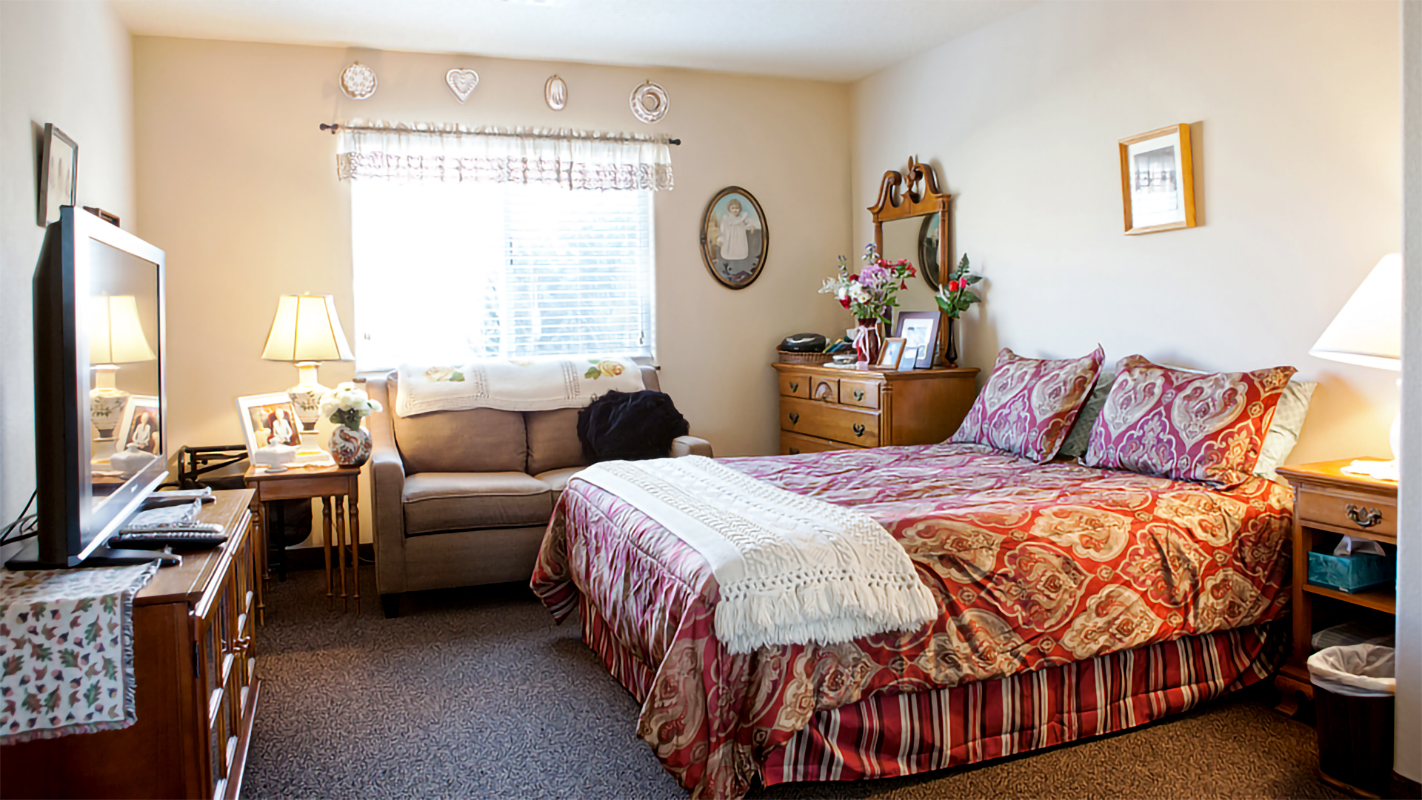
Pack the space with familiar points: a favorite quilt, the chair that fits their position, mounted pictures at eye level, the specific brand of cream they use. Tag garments plainly. Bring their very own cushion if it does absent a security issue. If your parent has an early morning routine entailing coffee and gospel songs, recreate it on day one.
Some family members favor to move while their parent is at an activity or with a pal to prevent the tension of enjoying unfamiliar people handle their valuables. Others entail their moms and dad in tiny options such as selecting the bed cover. There is no single appropriate way. If your parent experiences fear, reducing the moving-day turmoil usually helps.
The first thirty day: what regular looks like
Expect a modification period that might include agitation, wandering, or asking to go home. Staff can predict this and will lead you on go to timing. Some areas suggest shorter, more frequent gos to beforehand. If your visibility seems to rise distress, think about stepping back for a couple of days while personnel establish regimens and relationship. It can really feel counterintuitive and difficult. It can additionally work.
Eat a meal there. Notice which personnel your parent inclines. Share tiny success with siblings or close friends. A successful 20-minute task is a win. A full evening's rest is a win. The mind is relearning the landscape. Persistence helps.
What good programs really looks like
Activity calendars can be misleading. The concern is not how many events are listed, yet whether activities match the cognitive level of residents at an offered hour. A good morning may consist of activity to music, a responsive job like shelling peas, and a walk in the yard. In the afternoon, when attention often tends to dip, much shorter, quieter interactions work better: hand massages with fragrant lotion, folding bed linens, or looking through traveling books.
Look for choices installed without overwhelming. Rather than "Do you wish to join yoga exercise?" a staff member could state, "I'm heading to extend course and conserved a seat by the home window for you." Cueing with purpose and familiarity beats open-ended choices that can confuse.
The function you still play after the move
Memory care is not a handoff of love, simply of logistics. Households bring background that team can not reproduce. If you understand your mother soothes with the smell of cinnamon, tell the group. If your daddy lightens up at the audio of Sinatra, bring a playlist and a little audio speaker. Maintain a note pad in the room with easy notes: "Mondays - she likes to use the blue cardigan" or "if he declines a shower, try after breakfast with cozy towels."
Attend treatment strategy conferences. Ask about modifications in flexibility, sleep, and state of mind. Share what you see during sees. If you observe a pattern, such as raised anxiety at dusk, ask what the group is trying. Partnership functions best when details streams both directions.
When behaviors intensify: medications, atmosphere, and patience
Challenging behaviors are messages. Before jumping to medication, great teams initially check for pain, bowel irregularity, infection, dehydration, and ecological reasons like noise or glare. They might alter the seating setup at meals, change lights, or offer a task that matches the local's staying abilities.
Sometimes, targeted medications assist. Low-dose antidepressants can reduce anxiety. Very carefully chosen antipsychotics might be made use of short term for extreme aggressiveness or psychosis, however they bring threats that need to be evaluated meticulously and evaluated commonly. Push for the smallest efficient dose, clear objectives, and set up reassessment. Your visibility because discussion matters.
Couples and complex family members dynamics
If your moms and dads are still with each other, separating them really feels unimaginable. Some communities supply secure memory treatment together with standard Assisted Living so spouses can survive the very same university. That arrangement enables daily sees without the 2 a.m. wandering threat. In various other situations, both move into the same area, one in memory treatment and the other in Assisted Living or even independent living. The objective is to shield wellness while preserving connection.
Siblings seldom settle on timing. The local caregiver typically pushes for a relocation while out-of-town siblings, that see Mom generally on vacations, withstand. Share purpose data: fall matters, emergency clinic sees, caregiver hours, expenses. Invite unwilling relative to tour. If needed, include a neutral specialist like a senior citizen treatment manager. You do not need to bring all of this alone.
Cultural preferences and faith practices
Memory care need to not flatten identification. Ask just how the neighborhood values nutritional methods, language preferences, and spiritual awareness. Does the task group consist of culturally appropriate songs and vacations? Are multilingual staff available, specifically in the evening and in the evening? This is not window clothing. Acquainted society can anchor a person whose memory is changing.
Red flags that outweigh the nicest décor
Some neighborhoods have beautiful lobbies and underwhelming treatment. Trust fund your senses.
- Staff appear hurried or prevent eye get in touch with when homeowners require help. Strong pee or anti-bacterial scents continue hallways. Residents are parked in front of a television for hours with very little interaction. Leadership dodges questions about staffing or disregards concerns. Your digestive tract says the power is strained rather than calm.
If you regret, keep looking. The appropriate fit is worth the added tour.
Planning ahead even if you are not ready today
If your moms and dad is steady in the house, begin searching anyway. Waiting lists can be months long, especially in high-demand neighborhoods. Touring very early builds familiarity. It likewise reduces pressure if a hospitalization speeds up decrease, which happens more frequently than individuals recognize. You will certainly make better selections when you are not in dilemma mode.
Gather documents: power of lawyer, development directives, medicine listings, insurance policies, and a one-page individual background with favored foods, pastimes, past job, and family members. Make an electronic folder you can show the area when the time comes.
A brief, functional checklist you can utilize this week
- Track security and wellness incidents for 1 month: drops, roaming, missed meds, or ER visits. Tour a couple of memory care areas at different times of day, then contrast notes that night while perceptions are fresh. Call your parent's health care carrier to review present medications and inquire about cognitive and state of mind adjustments you have actually observed. Price out prices for home treatment versus memory care for a reasonable comparison, consisting of surprise extras. Identify a list and join a waiting list, also if your timeline is uncertain.
The procedure of a great decision
Families usually ask me later on, Did we wait also long? Did we relocate too soon? My solution is generally the same. If safety threats kept expanding, if your life tightened to continuous guidance, and if your moms and dad now receives constant, caring assistance, you landed near the right time. The step is not excellence, yet lifestyle for both the moms and dad and the caregiver.
Assisted Living and Memory Care are devices, not judgments. Utilized well, they extend dignity, reduce danger, and provide family members back the components of their partnership that matter most. You will still bring the tales, the music, the touch on the shoulder that says I recognize you. The neighborhood brings structure, medical eyes, and the tranquil repetition that mental deterioration requires. With each other, that is frequently precisely enough.
BeeHive Homes of Albuquerque West
6000 Whiteman Dr NW, Albuquerque, NM 87120
(505) 302-1919